 Grosir Outsole Sepatu dan Sandal Grosir Outsole Sepatu dan Sandal Langsung Dari Pabrik Sol Bandung
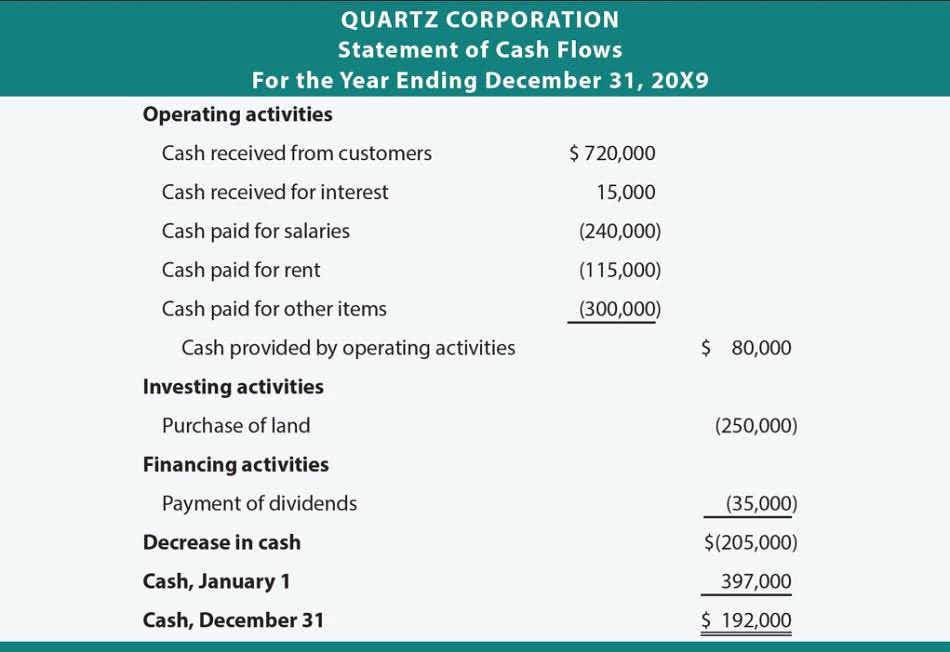
In manufacturing, a new building purchased for $5 million would be recorded as a fixed asset and depreciated over its useful life. Understanding these diverse examples aids in better financial planning and asset management. Fixed assets play a significant role in financial reporting and analysis. Sales generate cash inflows, while capital expenditures represent cash outflows, both reported in the cash flow statement. Understanding their importance in business operations is crucial for effective management and financial planning. The fixed asset turnover ratio, calculated by dividing net sales by average fixed assets, evaluates the efficiency of asset utilization.
What is the fixed asset lifecycle?
- In other words, it is the process of accounting for the diminishing value of a fixed asset over time due to use, wear and tear, or obsolescence.
- The reinvestment ratio is calculated by dividing capital expenditures by depreciation.
- This could be helpful to look at internally to gauge if fixed assets need to be replaced or if they are currently being replaced on an expected timely basis.
- To understand accounting and financial reporting, begin with a broad-level knowledge of fixed assets.
- On the contrary, fixed assets often require a specific management tool to track loans or rentals like a tool crib or a library.
- Still, however, it is mentioned that this equipment will be used for the administrative team, and hence the purpose will be for administrative purposes.
- FreshBooks accounting software simplifies the process of finding and understanding your balance sheet.
You may be able to use integrated features in automated workflow processes or enterprise resource planning (ERP) programs to help you track your assets and monitor depreciation. Fixed asset accounting https://www.bookstime.com/ is a great way to understand the actual value of the assets your business relies on. Boost productivity with business and financial management in one solution. Make faster decisions with real-time data and visibility across your portfolio. Non-current assets are reported separately under the “Fixed Assets” or “Property, Plant, and Equipment” section. Asset Infinity ensures real-time tracking, maintenance, and optimization for peak pod performance.
Rental Income and Capital Gains

Because fixed assets are non-current assets that help your business bring in revenue over the long term, they are typically high value investments for the company. Fixed assets are long-term tangible items, such as buildings, machinery, and vehicles, that businesses use to produce goods or deliver services. Understanding their role is crucial for effective financial management and operational planning. These tangible items are essential for daily operations and play a significant role in generating revenue. For instance, a bakery may classify delivery trucks as fixed assets and depreciate them over five years to generate revenue.
KEY TAKEAWAYS
- Fixed assets are initially capitalized on a company’s balance sheet and periodically depreciated.
- In practical terms, as soon as a company is set up, it incurs expenses to acquire the assets that make up its assets.
- After almost a decade of experience in public accounting, he created MyAccountingCourse.com to help people learn accounting & finance, pass the CPA exam, and start their career.
- The cost of new fixed assets will likely increase due to normal inflation, while depreciation is calculated using historical costs.
- Fixed assets are the long-term tangible assets the business uses to generate cash flow and maintain business activities.
- Identifying and accounting for all fixed assets as part of their multi-entity accounting process can help them leverage potential losses through depreciation and reduce liability.
Liquid assets can also be anything that is easy for an entity to sell for funds. Current assets are similar to liquid assets, in that they can be converted into cash in a relatively short period of time. Gain a better understanding of what fixed assets are and the characteristics that make an asset fixed. Below, you’ll find a few examples of fixed assets compared to other types of assets, as well as an explanation of what fixed assets mean for your business. While most fixed assets depreciate in value over time due to wear and Payroll Taxes tear, some assets like land and certain intellectual property can appreciate in value. Fixed assets in the balance sheet represent the total value of long-term tangible and intangible assets owned by the company.
- Asset registers are vital tools, maintaining detailed records of all fixed assets, their locations, purchase details, and maintenance schedules.
- From sole traders who need simple solutions to small businesses looking to grow.
- While fixed assets are often tangible items, there are some cases where assets can be considered both fixed and intangible (more on this below).
- Accurate recording of fixed assets and their depreciation ensures reliable financial statements and informed decision-making.
- Fixed assets are also known as capital assets, according to The Balance.
- Fixed assets, also known as capital assets, are your business’s tangible and intangible property that you purchase for long-term use.
- Strategic investment in fixed assets can greatly enhance business profitability.
Say you have a piece of equipment that you paid $10,000 for with a useful life span of 5 years, just like your work vehicle. The equipment has a salvage value of $1,000, so you won’t be completely out of the money when you need to upgrade. Machinery is for production purposes in general, while vehicles are used for transportation or delivery.

Fixed assets are vital for operational efficiency, financial health, and providing tax benefits through depreciation. They represent a significant portion of a company’s total assets and are key to long-term profitability and sustainability. Whether a laptop in an office space, a tool in a construction field or a company-owned vehicle, fixed assets will experience depreciation of value over time. Calculate the value of fixed assets by subtracting what are fixed assets? the accumulated depreciation expense by the purchase price plus any improvements. Companies purchase non-current assets – resources that provide positive economic benefits – to generate revenue as part of their core operations. These assets are considered fixed, tangible assets because they have a physical form, will have a useful life of more than one year, and will be used to generate revenue for the company.
